Wacken Open Air 2026: Four Days on the Holy Ground
Four days, dozens of bands, unbearable heat, endless dust, barbecues, old friends and new neighbours, and some truly unforgettable performances. We return to the Holy Ground for Wacken Open Air 2026, celebrating its 35th anniversary with Judas Priest, Savatage, The Gathering, Vreid, Triptykon, Saxon, Emperor and many more. From spectacular triumphs to crushing disappointments, this is our personal journey through four days of metal in the heart of Schleswig-Holstein
There are festivals you attend because you want to see a few bands, and then there are festivals that become something else entirely. Wacken Open Air has long belonged to the second category. At some point, the music becomes only one part of the experience, because Wacken is not simply a festival where several stages happen to coexist in the same place. It is a temporary city, a pilgrimage, a meeting point and, for four days every summer, a little world of its own. You arrive in the middle of the Schleswig-Holstein countryside and suddenly everything revolves around black T-shirts, muddy boots, food stalls, beer, campfires, endless conversations with strangers and, of course, metal. The 2026 edition had an additional reason to celebrate, marking the festival’s 35th anniversary, and the organisers embraced that history with a line-up that deliberately connected Wacken’s past with its present. From Savatage, Judas Priest and Saxon to The Gathering, Emperor, Triptykon, Nevermore and a new generation of Metal Battle contenders, the programme was as broad as one could reasonably expect from a festival that has spent three and a half decades turning a field into the Holy Ground.
This was my second Wacken, and this time the experience was somewhat different from my first visit. My wife and I travelled together, although she was not working with a press pass this time despite being an official festival photographer on other occasions. That small difference changed the way we experienced the weekend more than I expected. There were no accreditation schedules to worry about, no photographic pits to reach at precisely the right moment and no need to structure the day around somebody else’s timetable. We still had to deal with the inevitable Wacken problem of having three bands we wanted to see playing simultaneously, but there was a greater sense of freedom. We could simply walk around, stop somewhere because something sounded interesting and, above all, experience the festival as two people attending it rather than as people working inside it.
The arrival was remarkably smooth, which is probably the least spectacular sentence one can write about Wacken but also one of the most meaningful. The festival has grown to such enormous proportions that simply moving tens of thousands of people around a temporary city without everything collapsing into chaos is an achievement in itself. The official running order illustrates just how much is happening simultaneously, with the main Faster, Harder and Louder stages complemented by Bullhead City, Wackinger Village, Wasteland and several other areas. Yet our experience of the queues was surprisingly fluid, and the same was true of the toilets, which remained impressively clean considering the sheer number of people using them. These are precisely the things that rarely make it into the promotional material of a festival but become enormously important once you have spent twelve hours walking around it.
The camping was another story entirely, and perhaps one of the most enjoyable parts of the whole weekend. We bought a barbecue, stocked up on meat and ended up eating at the tent every day, surrounded by German neighbours who turned out to be absolutely hilarious. There is something wonderfully simple about that routine. You can spend an entire afternoon watching bands, crossing the site from one end to the other and standing in front of enormous stages, only to return to your tent and find yourself sitting beside people you had never met before, eating grilled meat and laughing about something completely unrelated to music. That is Wacken too, perhaps more than any headline act. The festival’s anniversary material talks about 35 years of metal, mud and love of music, but there is another ingredient that is much harder to put into a press release: the strange community that forms when thousands of people temporarily decide that their little patch of grass is home.
The weather, on the other hand, was determined to remind us that the Holy Ground is not always holy. The heat at midday was absolutely brutal. Wacken has traditionally been associated with rain and mud to such an extent that the festival’s own mythology almost demands it, but there is something particularly cruel about standing under an unforgiving sun in the middle of a field while wearing a black shirt and trying to reach the next stage. The dust was considerably less disastrous than during some previous editions, except when a particularly enthusiastic pit transformed the area immediately around it into a miniature sandstorm. The organisers had also introduced improvements to protect the festival grounds and deal with the conditions of the terrain, something that became increasingly relevant as the weekend progressed.
One of the little luxuries that made a genuine difference was the EMP Backstage Club. It may sound like a minor detail, but after several hours under the sun, being able to sit down somewhere relatively quiet, use proper toilets, have something to drink and, most importantly, recharge a phone or camera battery is worth considerably more than it sounds on paper. EMP’s own description of the Backstage Club includes precisely those facilities at Wacken, and after experiencing them during the festival I can honestly say that an annual subscription makes sense if you attend festivals regularly. Wacken is an endurance test as much as a musical experience, and anything that helps you replenish your batteries without having to retreat to the campsite is enormously valuable.
And somewhere in all of that chaos, there was also time to meet Kathy, which was another one of those small moments that make a festival feel less like a distant event and more like a reunion. You travel hundreds or thousands of kilometres, enter a field containing tens of thousands of people and somehow bump into somebody you know. It happens at festivals all the time, but it never stops being special.
Musically, the first day immediately demonstrated why Wacken remains so difficult to reduce to a single genre. The Metal Battle acts provided one of the most obvious reminders of the festival’s role as a platform for younger bands, with international finalists arriving from countries all over the world. Ashed Winter, representing France, were part of that global competition in 2026, while Force represented Chile on Thursday. These performances are easy to overlook when the same day’s programme contains established names such as Yngwie Malmsteen, Savatage and Def Leppard, but they are precisely the sort of thing that makes a festival like Wacken worthwhile. You may arrive knowing exactly what you want to see and still walk away having discovered something you had not planned for.
Wednesday’s first major surprise came from The Troops Of Doom. Their presence at the Wasteland Stage was almost tailor-made for a festival like this, combining the rawness of old-school Brazilian extreme metal with the unmistakable historical connection to Sepultura. It was aggressive, dirty and direct, and immediately established one of the recurring themes of this Wacken: sometimes the smaller stage is where the most memorable experience is waiting. Vanir provided another pleasant surprise, while Ricky Warwick brought a completely different kind of energy to the Wackinger Stage. His performance worked precisely because it did not attempt to compete with the enormous productions elsewhere on the site. It was simply good rock’n’roll, delivered by somebody who knows exactly how to occupy a stage without needing an army of lights and screens behind him.
But if there was one performance that transformed Wednesday from a good opening day into something genuinely memorable, it was The Gathering. The Dutch band had been announced as an exclusive German appearance for 2026, and the choice to bring Anneke van Giersbergen back for the performance made the whole thing feel like one of those festival moments that exist precisely because the circumstances are right. The set was heavily focused on Mandylion, with Eléanor, Fear the Sea, In Motion #1, Leaves, Sand and Mercury and Strange Machines all appearing, alongside songs from later periods such as Analog Park and Saturnine.
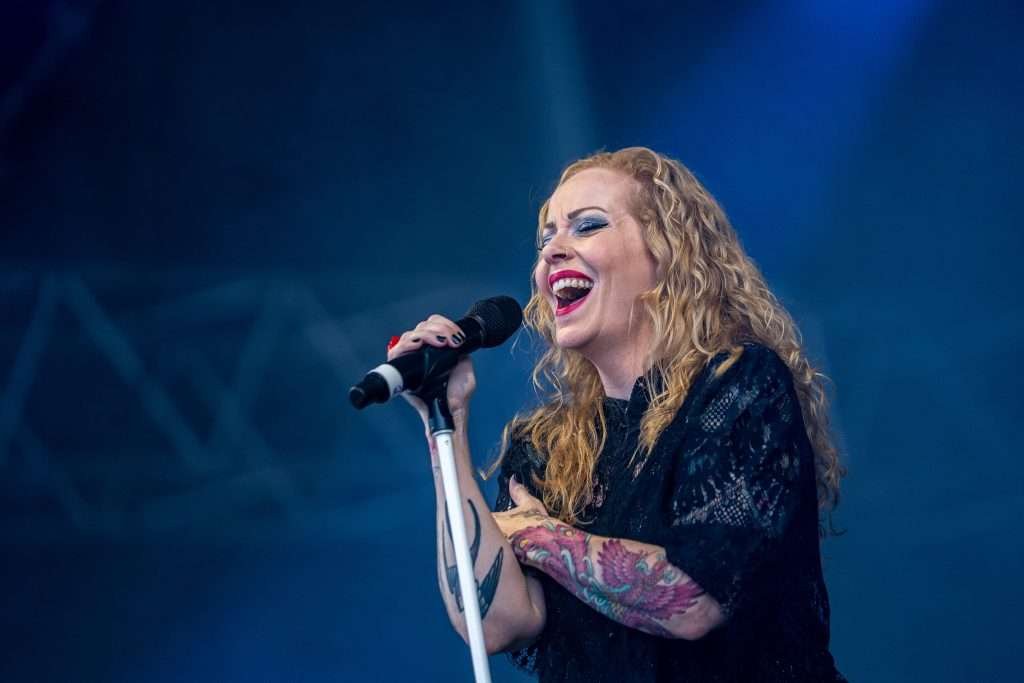
And Anneke was spectacular. There are performances that impress you technically and performances that create an atmosphere around you, and The Gathering belonged firmly to the latter category. Hearing those songs again with Anneke at the centre of the performance gave the entire set an almost dreamlike quality, particularly as the evening progressed and the enormous Wacken landscape gradually began to disappear behind the lights. It was one of those moments when you stop thinking about whether a band is playing perfectly and simply realise that you are witnessing something you will remember years later. If the first day had been about discovering what Wacken still has to offer, The Gathering was the moment when the festival reminded me why some bands become part of your personal history.
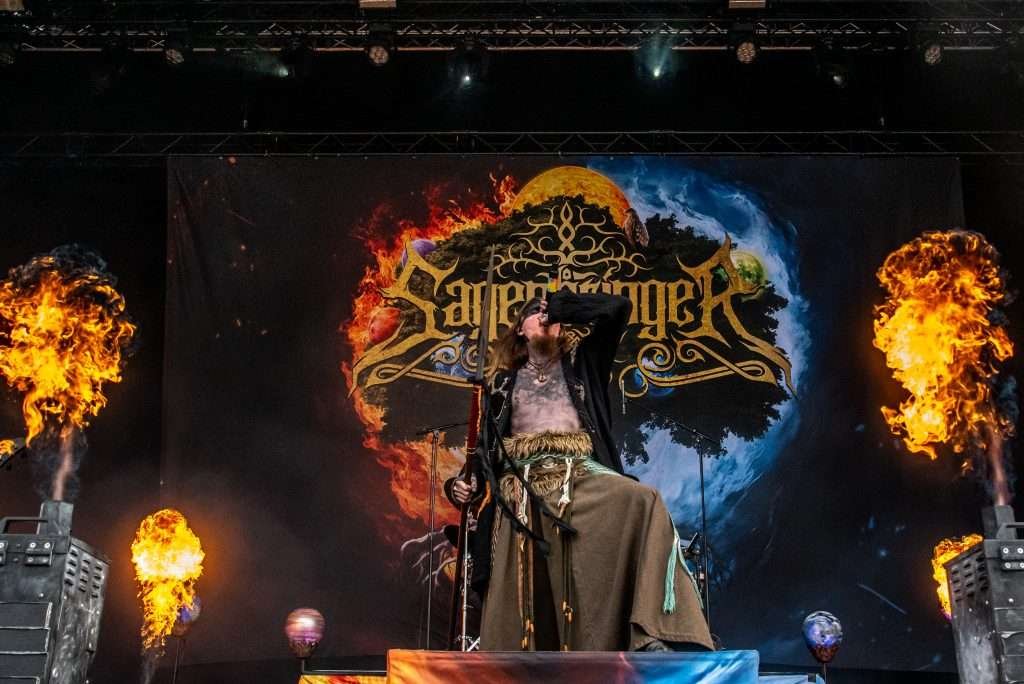
Thursday began with the Metal Battle again, where Force did a great job, but the day quickly became one of the most schizophrenic of the entire festival. Sagenbringer were one of my favourite discoveries, and their appearance at the Wackinger Stage perfectly illustrated why I keep insisting that Wacken should never be experienced exclusively through its main stages. There is something wonderfully old-fashioned about wandering into a village stage, knowing almost nothing about the band in front of you and suddenly realising that you are having one of the best musical experiences of the day.
The contrast could not have been greater when Yngwie Malmsteen appeared later on the Faster Stage. There was no question about his technical ability or his importance to the history of guitar-driven metal, but this was one of those performances where virtuosity became less interesting than the songs themselves. I was bored to an almost unreasonable degree. It is entirely possible to admire a musician’s influence and still find the live experience completely uninspiring, and that was precisely my relationship with this particular performance. Wacken has enough distractions to rescue you from almost anything, and in this case I eventually took the hint and moved on.
Uli Jon Roth, however, was a completely different proposition. His 50th Anniversary Virgin Killer show was one of those special festival performances that works because it has a clear historical purpose. With numerous guests joining him on stage, the performance became much more than a standard set. The songs from Scorpions‘ early period sounded like fragments of another era being brought back to life in front of a modern festival audience, and Virgin Killer remains an album whose importance to the development of European hard rock and heavy metal is impossible to ignore. The presence of so many guests made the whole thing feel celebratory rather than merely nostalgic.
Then came Savatage, and suddenly the bar moved several metres higher.
There are some bands that simply belong on a Wacken stage. Savatage are one of them. Their set was a magnificent reminder of what happens when power metal, progressive rock and theatrical composition are allowed to coexist without one element overpowering the others. The setlist was particularly strong, moving from Dead Winter Dead, Jesus Saves and Lights Out through Handful of Rain, Chance, Sirens, The Wake of Magellan and Believe, before eventually reaching Gutter Ballet, Edge of Thorns, Power of the Night and Hall of the Mountain King.
That is not simply a good collection of songs. It is an abbreviated history of one of the most ambitious American metal bands ever to emerge from the genre. And the performance had the sense of occasion that such a set deserved. Savatage did not feel like a band merely fulfilling another festival date. They felt like one of the reasons Wacken had put them there in the first place. The dramatic nature of songs such as Gutter Ballet and Hall of the Mountain King fits an enormous outdoor stage almost unnaturally well, while the more emotional material gives the set enough contrast to prevent it becoming an exercise in bombast. This was, without question, one of the concerts of the festival.
The same evening also produced one of the biggest reminders that a great festival is necessarily made up of compromises. Def Leppard were good, but they were not the best Def Leppard show I have seen. This was my sixth time watching them live, and perhaps that familiarity made the comparison unavoidable. There was nothing fundamentally wrong with the performance, but when you have already witnessed a band at their very best, simply being good is no longer enough to create the same impact. Their position as one of the biggest names on the bill was entirely justified, yet personally I left feeling that the festival had already offered stronger performances that day.
Thursday also gave me Spectral Wound, and this was a very different kind of satisfaction. I had wanted to see them at Inferno 2025 and couldn’t because the John Dee was completely full. That unfinished business made their Wacken appearance particularly satisfying. Their performance was absolutely ferocious, exactly the kind of black metal that reminds you why the smaller indoor stages and extreme-metal environments remain essential parts of a festival this size. There was no need for theatrical excess. The music itself was enough. After missing them in Norway, finally catching them in Wacken felt like closing a small but irritating chapter.
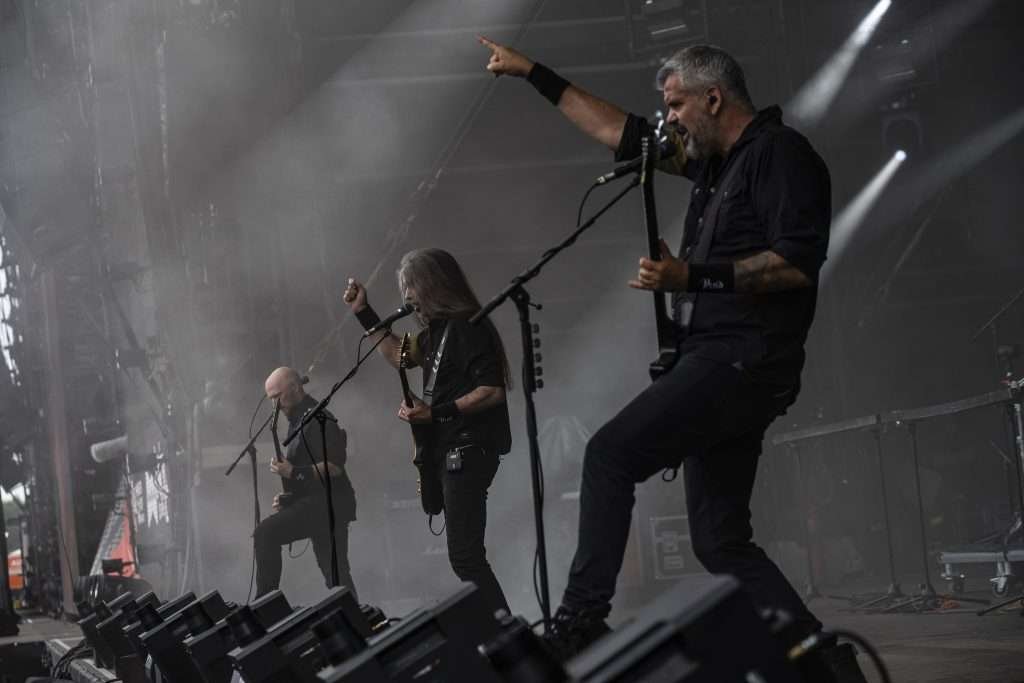
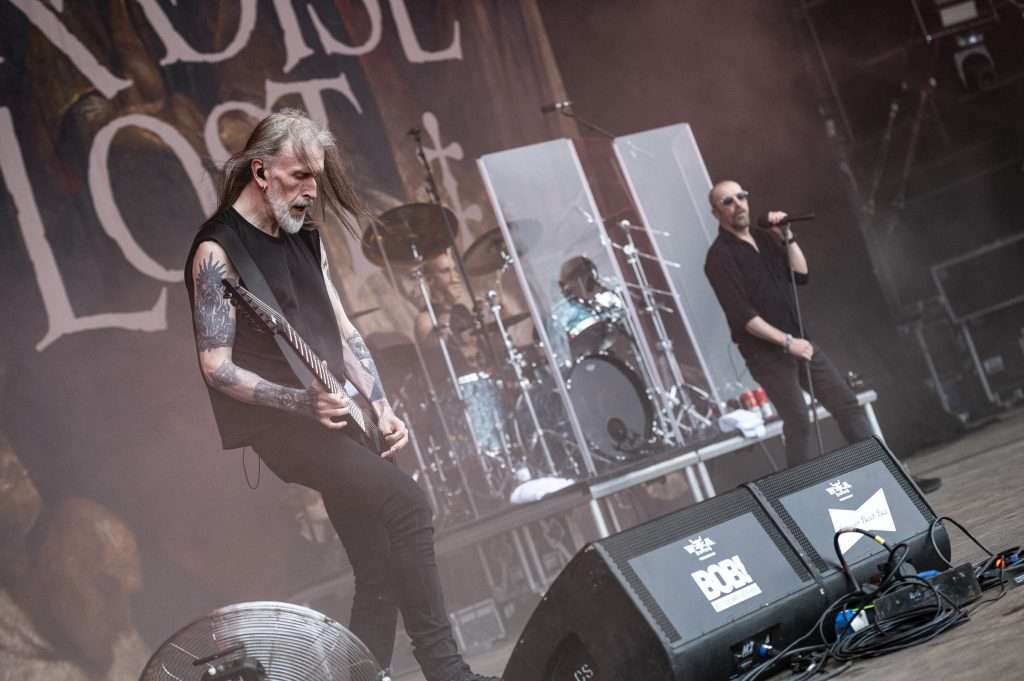
Friday was the day when Wacken truly began to feel excessive in the best possible sense. There were simply too many things happening. Trold and Vreid represented two very different sides of Scandinavian darkness, while Paradise Lost brought their enormous catalogue of gothic and doom-influenced metal to the main stages. But it was Vreid who completely blew me away.
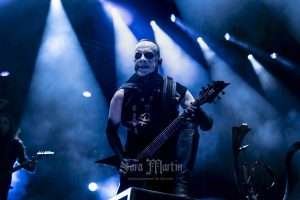
Their set was relatively compact, but the material was chosen with remarkable efficiency. A Second Death, Pitch Black, The Skies Turn Black, The Others and the Look, Loving the Dead, Into the Mountains, From These Woods and Lifehunger created a sequence that moved between black metal aggression and the more expansive, melancholic side of the band. And then came Loving the Dead, featuring Agnete Kjølsrud and Chris Pontius, turning an already excellent performance into one of those unexpected festival moments that nobody had planned for when they woke up that morning.
There was also something particularly appropriate about Vreid playing The Skies Turn Black dedicated to Ozzy Osbourne. Wacken has always been a festival obsessed with its own history, and metal history is inevitably full of musicians whose influence extends far beyond their own discographies. Moments like this allow a contemporary band to acknowledge that lineage without turning the performance into a museum piece.
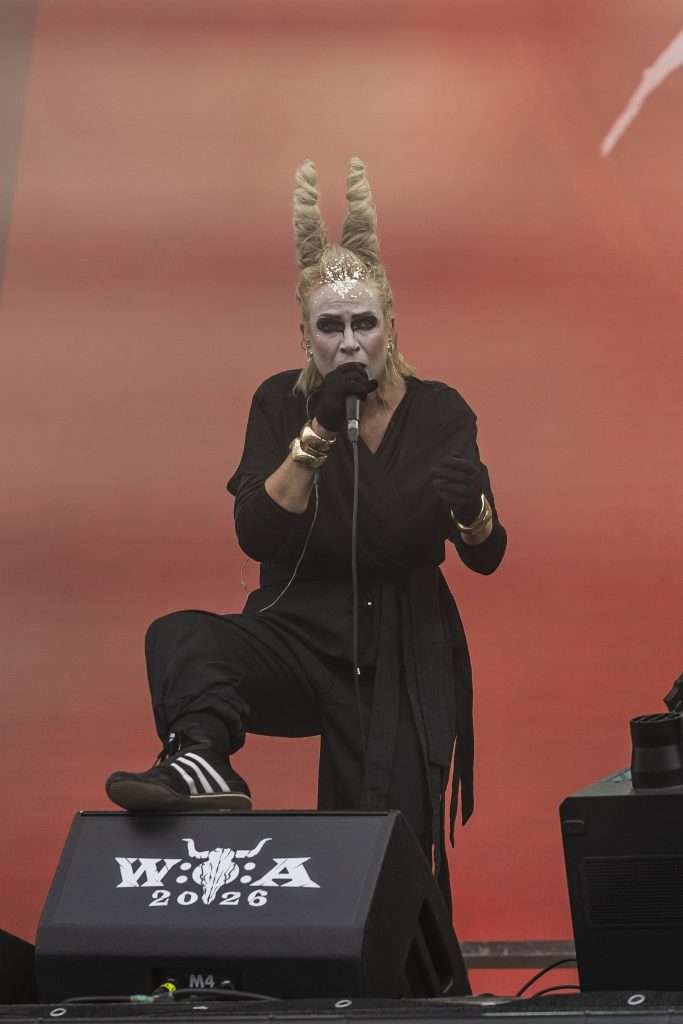
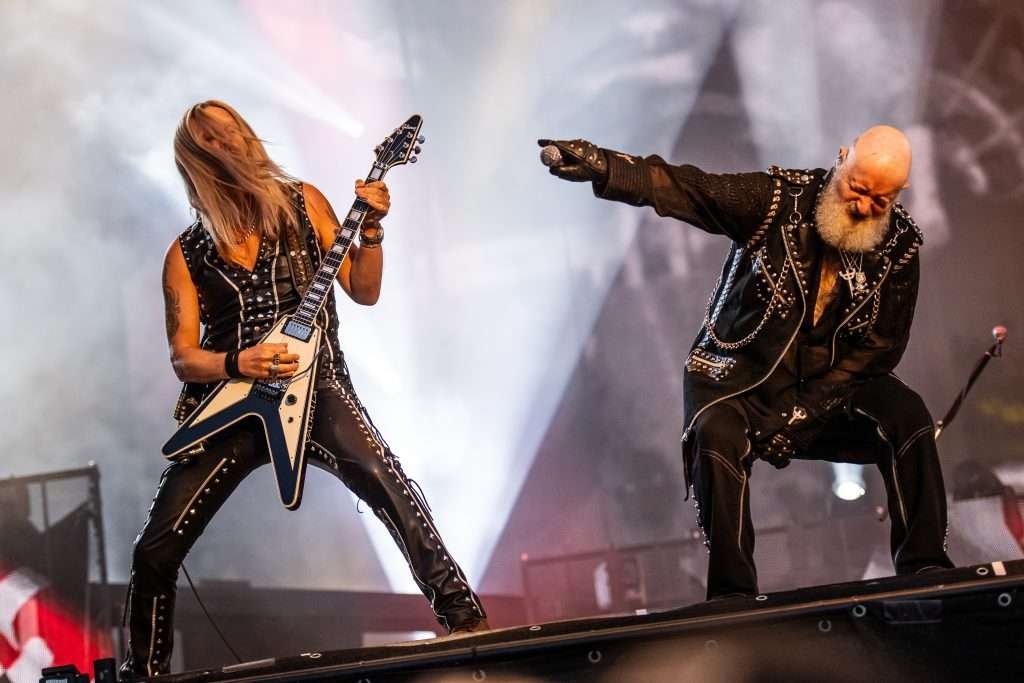
Then came Judas Priest. This was my tenth time seeing Judas Priest live, which means that I have reached the point where I have enough experience with the band to be extremely difficult to impress. And yet this setlist was bloody fantastic. The Faithkeepers show opened with You’ve Got Another Thing Comin’, followed by Metal Gods, Breaking the Law, The Ripper and The Sentinel. From there it moved through Desert Plains, Lightning Strike, Turbo Lover, Steeler, Panic Attack, Victim of Changes, Halls of Valhalla and Painkiller, before the encore brought Electric Eye, Hell Bent for Leather and Living After Midnight.
That selection says almost everything. Judas Priest have reached the stage of their career where they could build an entire set around the obvious classics and nobody would complain, yet they still managed to include enough material from different periods to make the concert feel like a genuine journey through their history. Desert Plains and Steeler were especially welcome, while The Sentinel and Victim of Changes reminded everybody that there are few bands capable of producing such a ridiculous concentration of definitive heavy-metal songs. And then there is Rob Halford, who remains one of the most recognisable voices in the history of the genre.
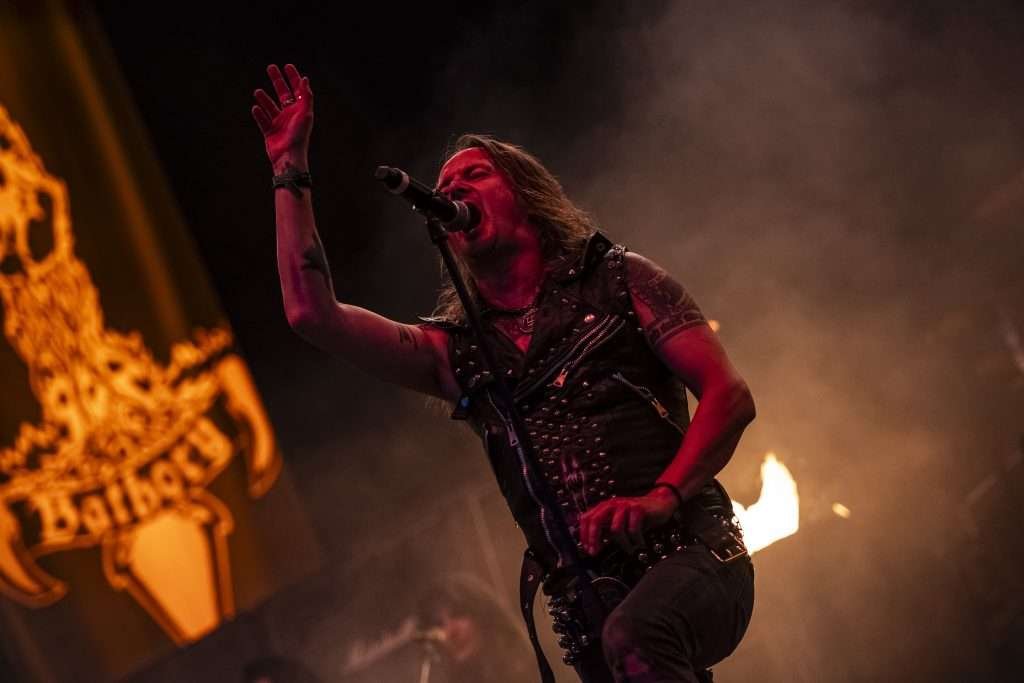
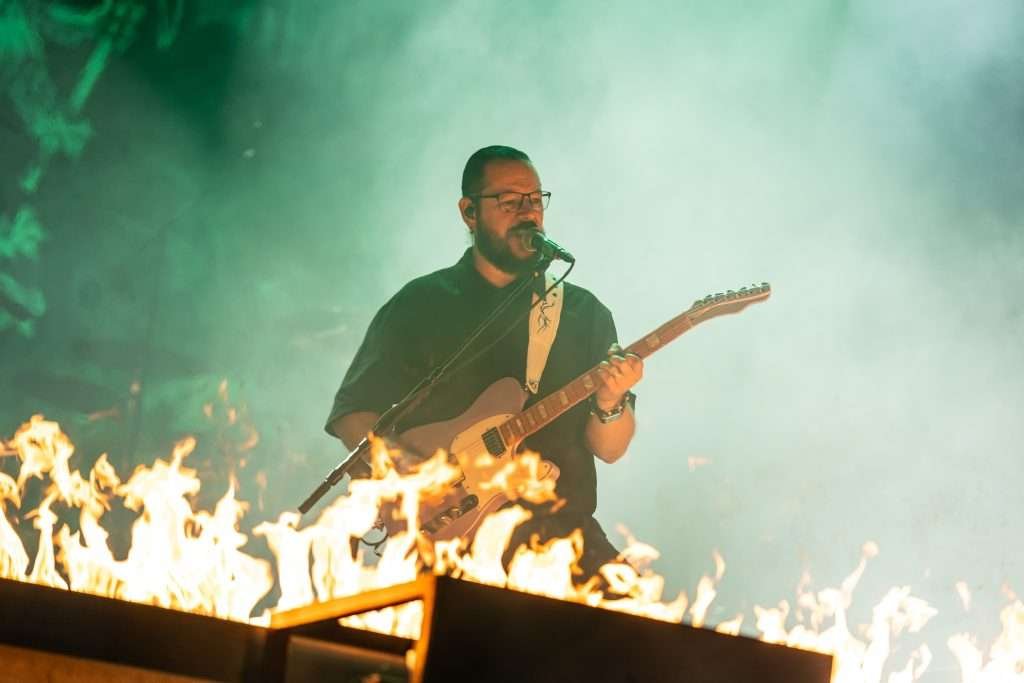
The only problem was that Wacken had decided to make us choose. At almost exactly the same time, Blood Fire Death were performing their tribute to Bathory, while Emperor were preparing their own special performance. The official running order placed Blood Fire Death before Emperor on the Louder Stage, with Judas Priest occupying the Harder Stage immediately afterwards, creating precisely the kind of overlap that turns a festival into a cruel exercise in prioritisation. Blood Fire Death were wonderful, but I could not stay until the end because Priest were waiting. Emperor were even more brutal, but again I had to sacrifice part of the set because the Priest timetable refused to cooperate.
This is perhaps the greatest frustration of a festival like Wacken: sometimes the problem is not that you have chosen the wrong concert but that you have chosen the right one. You know that something special is happening on another stage, you can hear it in the distance, and you have to walk away anyway.
Saxon, meanwhile, continued to defy the laws of diminishing returns. This was my seventh time seeing them, and somehow they still managed to leave me open-mouthed. There is something wonderfully reassuring about Saxon. You know exactly what you are going to get, but that does not make it routine. The riffs still hit, Biff Byford still understands the mechanics of a festival audience and songs that have been played thousands of times retain their ability to make a field full of people raise their fists. If anything, Saxon demonstrated the difference between repetition and tradition. The former becomes stale. The latter becomes stronger.
Friday also produced one of the few performances I actively disliked: In Flames. Whatever enthusiasm I might have once had for the band was nowhere to be found here. The performance felt hollow and disconnected from the qualities that made their earlier work so important, and after spending the day moving between Vreid, Saxon, Judas Priest and the extremes of Emperor, the contrast was almost painful. It is possible for a band to have enormous historical importance and still deliver a live performance that leaves you wanting to leave. Wacken does not require you to love everything, and thank God for that.
The same was true, albeit in a much less aggressive way, of Black Label Society. I was bored to death. The problem was not that the band were incompetent; rather, the performance simply failed to create enough momentum to justify the amount of time and attention it demanded. On a festival bill this packed, indifference becomes a serious problem. There is always another stage somewhere else, another riff coming from another tent, another reason to keep walking.
Saturday arrived with the strange knowledge that the festival was almost over. The first three days had created their own rhythm, and suddenly every walk across the site carried the awareness that there were only a few more hours to enjoy it. Municipal Waste were therefore almost the perfect way to begin the final stretch. They are always a fucking party. There is something beautifully uncomplicated about watching Municipal Waste at a festival: you don’t need to analyse the performance, you don’t need to discuss whether the setlist is historically significant, and you certainly don’t need to wonder whether the band are having fun. You simply enter the pit and allow yourself to be thrown around.
Angelus Apatrida offered the same kind of energy from a slightly different angle, with the added pleasure of seeing one of those bands from home making an impact on a foreign festival. There is always something special about encountering a band from your own country in a place like Wacken. Suddenly you are reminded that the geographical distance between Spain and Germany means very little when the music is strong enough. Their performance felt like a small victory, not just for the band but for the audience members who have followed them for years.
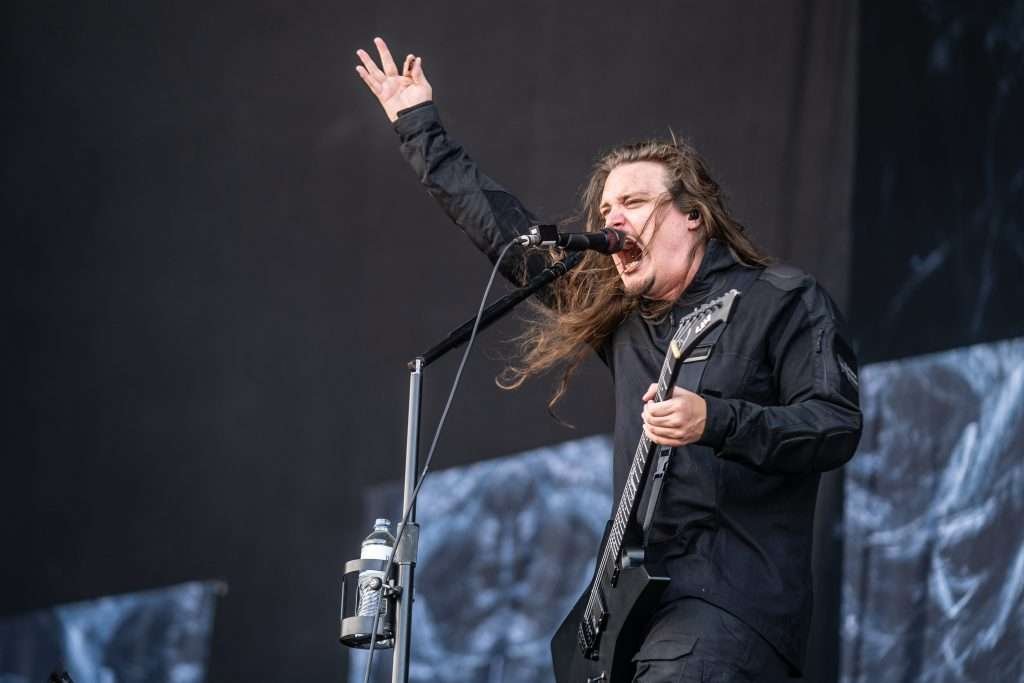
Corrosion of Conformity were another strong performance, delivering exactly the kind of heavy, southern-flavoured riffing that works so naturally in a festival environment. They were followed by Orbit Culture, who were nothing short of a fucking steamroller. Their modern approach to extreme metal could easily have sounded too polished or too mechanical on a festival stage, but instead the sheer physical force of the performance made it one of the strongest modern-metal sets of the weekend. The guitars hit like machinery, the drums drove everything forward and the whole thing had an almost industrial momentum.
Then came Triptykon. I had already seen Triptykon five times, which made the concept of their Wacken performance particularly interesting. Usually, the connection with Celtic Frost and Hellhammer forms such a significant part of the experience that their own material can sometimes feel like one element within a much larger historical narrative. This time, however, they presented a set that was much more heavily focused on their own catalogue, while still allowing room for some Hellhammer and Celtic Frost material. The difference was enormous.
The official announcement had already promised an exclusive special set containing several world live premieres, and that promise was more than fulfilled. Songs that had not previously been performed live gave the concert an element of unpredictability that I had not expected after seeing the band so many times. Triptykon sounded enormous, oppressive and deeply atmospheric, but without relying exclusively on the nostalgia surrounding Tom Gabriel Warrior‘s previous bands. This felt like a celebration of Triptykon themselves. And that distinction matters.
There are musicians who spend their entire careers being haunted by what they created in their youth. Warrior has never completely escaped the shadow of Hellhammer and Celtic Frost, because those bands were simply too important. But seeing Triptykon devote so much of a major festival performance to their own material felt like a statement that the story did not end in the 1980s. The past was there, obviously, but it was no longer the only thing that mattered.
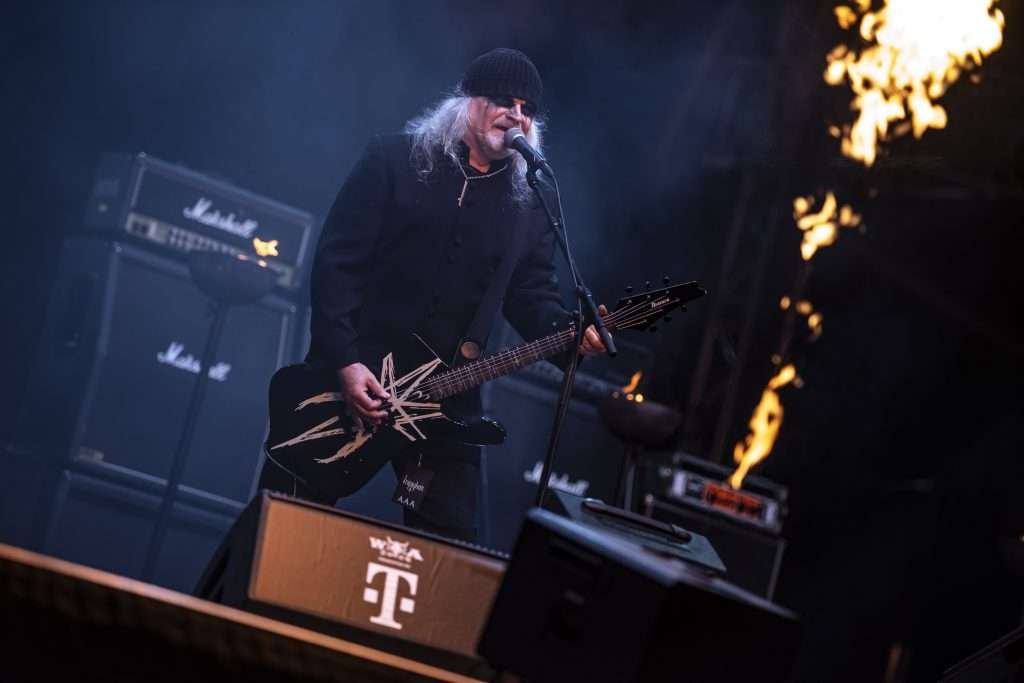
Nevermore presented another fascinating case of legacy and renewal. Seeing the band with their new vocalist could easily have gone wrong, particularly given how deeply Warrel Dane remains associated with their identity. Instead, the performance worked remarkably well. It was not a replacement for the past, nor should it have attempted to be. The important thing was that the songs still had life, power and enough conviction to justify their presence on a Wacken stage.
And then there was Einherjer, whom I only caught for part of their set. What I heard was enough to make me wish I had stayed longer. Their folk influences felt much more primitive and organic than the increasingly orchestrated approach that has become common in parts of the modern Viking and folk-metal scene. There was something raw about it, something that suggested the music had emerged from the landscape rather than from a studio looking for the correct arrangement of cinematic strings.
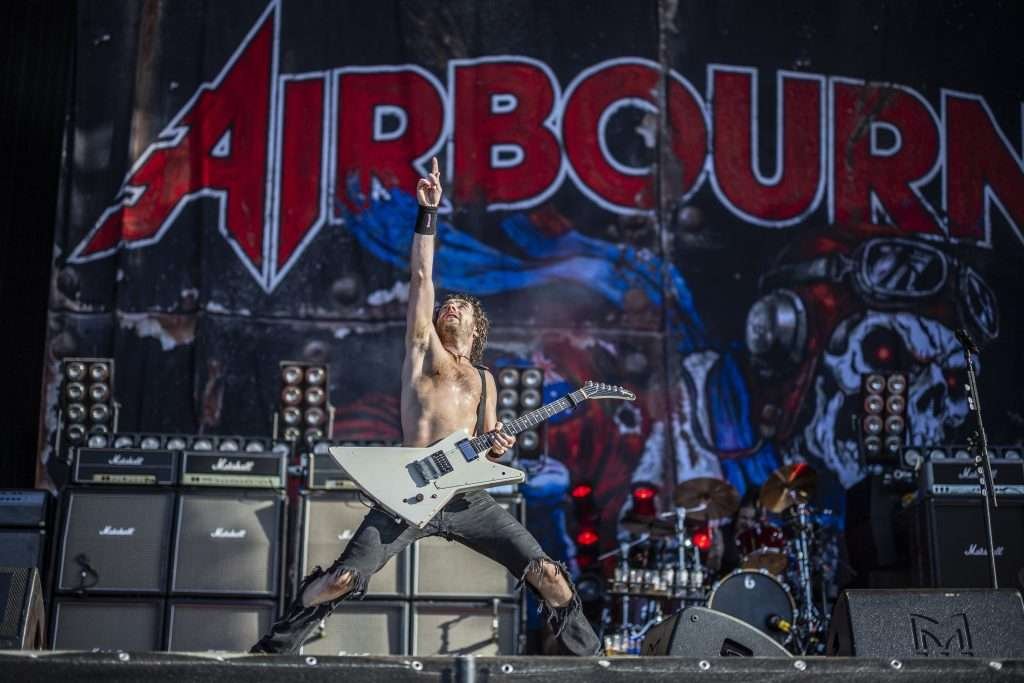
Airbourne, as expected, were simply Airbourne. They know exactly how to turn a festival into a rock’n’roll party, and by that point in the weekend there was something comforting about watching a band whose live identity is so immediately recognisable. They may not reinvent themselves every night, but they don’t need to. When Airbourne hit the stage, the objective is straightforward: turn everything up and have a good time.
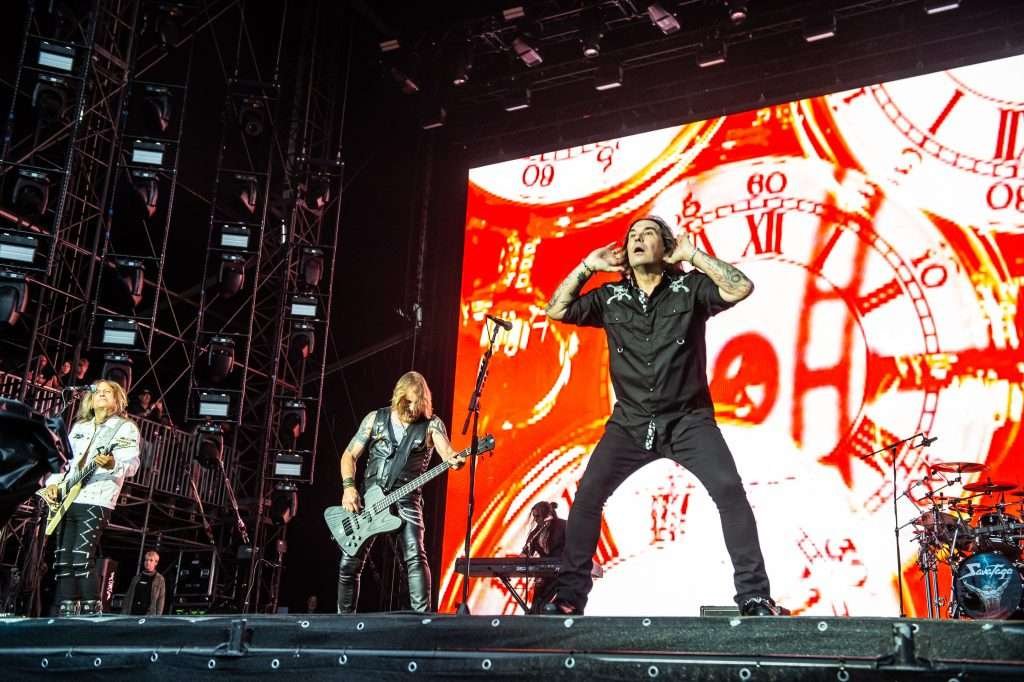
Powerwolf, unfortunately, did not have the same effect on me. This was my fourth time seeing them live, and perhaps familiarity played a role, but I found myself increasingly disconnected from the performance. The band’s enormous theatricality is undeniably effective, and their ability to command a large festival audience is beyond question, but spectacle alone cannot compensate for a lack of personal connection. Once again, Wacken offered the useful reminder that a technically successful performance and an enjoyable performance are not necessarily the same thing.
Looking back over the four days, what stands out most is precisely that variety. There was no single Wacken sound. There was The Gathering‘s atmospheric melancholy, Savatage‘s theatrical grandeur, Vreid‘s black-metal ferocity, Judas Priest‘s heavy-metal history, Saxon‘s old-school reliability, Triptykon‘s oppressive darkness, Municipal Waste‘s chaotic fun, Orbit Culture‘s modern brutality and Einherjer‘s primitive folk spirit. There were also performances that left me cold, bored me or actively irritated me. That mixture is essential because a festival where everything is excellent would actually be a less interesting story.
If I had to reduce the weekend to five performances, the choice would be painful, but my personal top five would probably be The Gathering, Savatage, Judas Priest, Vreid and Triptykon. The order itself is almost irrelevant because each represented something completely different. The Gathering provided the emotional high point. Savatage delivered perhaps the most complete festival performance. Judas Priest demonstrated why ten viewings have not diminished their impact. Vreid produced the weekend’s biggest unexpected explosion of energy. And Triptykon gave me the rare pleasure of seeing a band I had already watched five times present themselves in a way that felt genuinely new.
Just outside that five, Saxon, Spectral Wound, Orbit Culture, The Troops Of Doom, Sagenbringer, Force, Nevermore, Blood Fire Death and Emperor all left their mark for different reasons. That is an absurdly strong list of honourable mentions, but that is exactly what happens when you spend four days at Wacken and deliberately avoid treating the headliners as the only reason to be there.
And perhaps that is ultimately what I take away from the 35th anniversary edition. Wacken is now so enormous that it would be easy for the festival to become nothing more than a gigantic machine designed to move famous bands and tens of thousands of customers around a field. Instead, it continues to work because there are still smaller moments hidden inside the machine. A barbecue beside your tent with a group of ridiculous German neighbours. Finding Sagenbringer on a village stage. Finally seeing Spectral Wound after missing them at Inferno. Running into Kathy in the middle of nowhere. Discovering that the EMP Backstage Club can save your phone, your camera and possibly your sanity. Watching Municipal Waste turn a crowd into a playground. Hearing The Gathering with Anneke and suddenly feeling transported somewhere else entirely.
The big moments matter, of course. It would be impossible to spend four days surrounded by enormous stages and not remember Judas Priest, Savatage or Saxon. But the memories that survive longest are often the smaller ones because they cannot be reproduced by watching a concert video afterwards. You cannot recreate the feeling of returning to your tent after a twelve-hour day and smelling the barbecue. You cannot reproduce the absurdity of trying to cross Wacken at midday while the sun seems determined to kill you. You cannot experience again the moment when a song you have heard a hundred times suddenly sounds completely different because of where you are standing and who is standing next to you.
That is why the festival’s anniversary slogan about 35 years of metal, mud and love of music feels surprisingly accurate. Wacken has become much bigger than the field where six bands played in 1990, when the stage was essentially a beer tent turned sideways and the power came from the local Raiffeisenbank. The festival’s own history now reads almost like a piece of heavy-metal mythology, from those tiny beginnings to the gigantic international event it has become. Yet the strange thing is that, once you are there, the essential experience has not changed quite as much as the numbers suggest.
You still arrive, find somewhere to sleep, meet strangers, argue about which band to see, eat questionable amounts of meat, walk absurd distances, lose your friends, find them again, complain about the weather and eventually stand in front of a stage with thousands of other people waiting for the first riff. The scale is different. The machinery is enormous. The bands are bigger. The production is more spectacular. But the basic impulse remains exactly the same.
Four days later, Wacken was over.
The tents came down, the barbecue was packed away, the batteries were finally allowed to die and the Holy Ground returned to being a field in Schleswig-Holstein. We left with the usual mixture of exhaustion and reluctance, already knowing that the experience would become increasingly difficult to explain as the days passed. How do you explain to somebody who wasn’t there that the highlight of your festival might have been The Gathering with Anneke, or Savatage, or Vreid, but that you will also remember the German neighbours laughing beside the barbecue? How do you explain that one of the most useful places on the entire site was a room where you could charge your phone? How do you explain that missing the end of Emperor because Judas Priest were playing simultaneously is both frustrating and, somehow, exactly what makes a festival like Wacken what it is? You don’t, really. You simply remember.
And when the memories of the heat, the dust, the sore feet and the endless walking have faded, what remains is the music. The Gathering floating across the Holy Ground. Savatage turning the Faster Stage into a theatre. Judas Priest reminding me, for the tenth time, why they remain one of the greatest heavy-metal bands ever to walk onto a stage. Saxon proving that experience does not have to mean complacency. Vreid blowing my head off. Triptykon demonstrating that even after five previous encounters, there can still be something new to discover.
That is Wacken. Not just the biggest names. Not just the stages. Not just the 35-year history. The whole fucking thing.
1 pensamiento sobre “Wacken Open Air 2026: Four Days on the Holy Ground”